Katja Albrecht · 14 October 2026
Emergency Preparedness Programs Forge Stronger Neighborhood Ties
Communities across multiple regions have turned routine safety training into regular gatherings that build connections between neighbors while they practice response skills for floods, fires, and other crises; data from national surveys shows participation rates climbing steadily since 2023 as local groups coordinate drills that combine practical exercises with social interaction. Researchers tracking these efforts note that joint activities create repeated opportunities for people to share resources, discuss vulnerabilities, and establish trust before any actual emergency occurs.
Core Components of Effective Local Programs
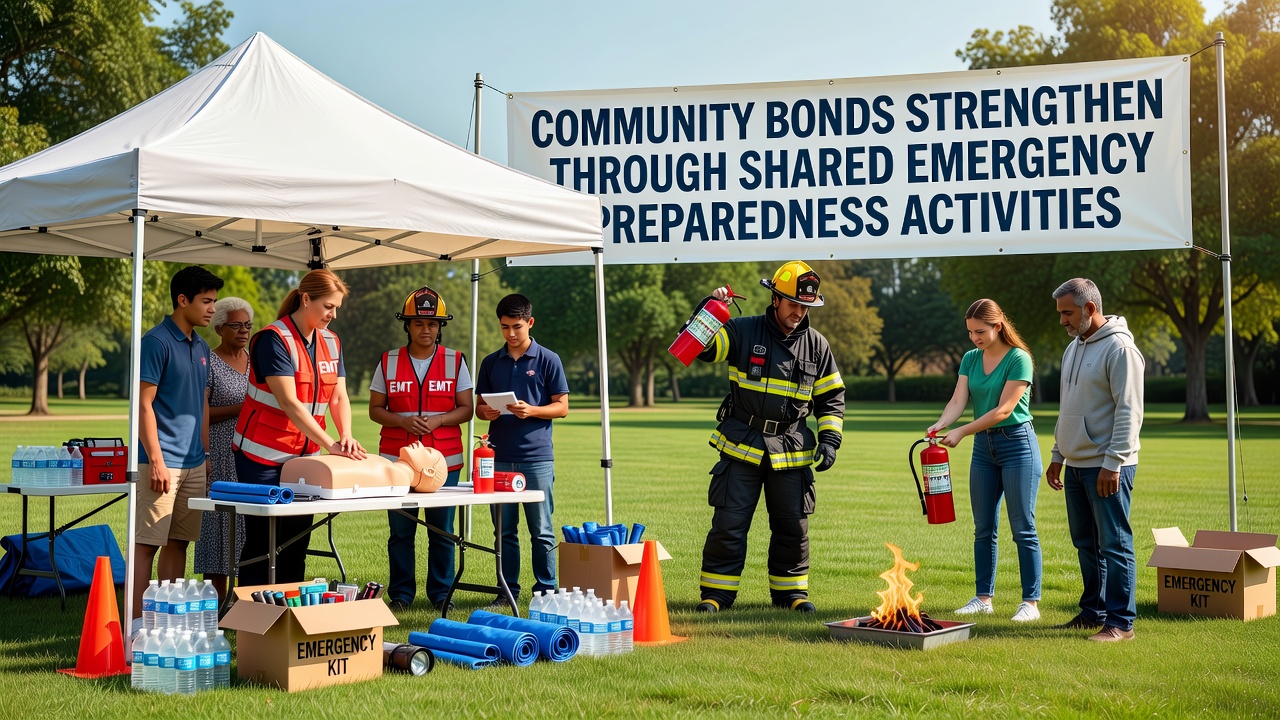
Typical initiatives include monthly workshops on first aid, supply stockpiling, and communication plans, yet organizers often extend sessions with potluck meals or group mapping projects that identify vulnerable residents such as seniors living alone. Public Safety Canada reports indicate similar patterns in several provinces where coordination between fire departments and neighborhood associations has produced measurable increases in household preparedness kits, while parallel efforts in Australia through state emergency services have documented higher volunteer retention when social elements accompany technical training. These programs rely on active voice participation where residents lead segments rather than passively receiving instruction, allowing skills to spread organically through peer teaching.
Evidence from longitudinal studies reveals that groups meeting at least six times per year report stronger mutual aid networks; for instance, one midwestern county tracked a 34 percent rise in neighbor-to-neighbor check-ins during winter storms after implementing shared mapping sessions. The structure usually begins with scenario-based simulations that require teams to solve problems together, followed by debriefs that highlight both successes and gaps in coverage.
Expansion Trends Observed by October 2026
By October 2026, federal funding allocations through the Federal Emergency Management Agency had supported over 1,200 new community-scale projects nationwide, many incorporating virtual reality components for remote participants and multilingual materials to reach diverse populations. Observers note that these expansions coincided with increased interest from schools and businesses seeking to align their own safety plans with neighborhood efforts, creating layered response frameworks that reduce duplication during actual events. Data shows participation among younger adults rose notably when programs added digital apps for real-time updates and resource sharing.
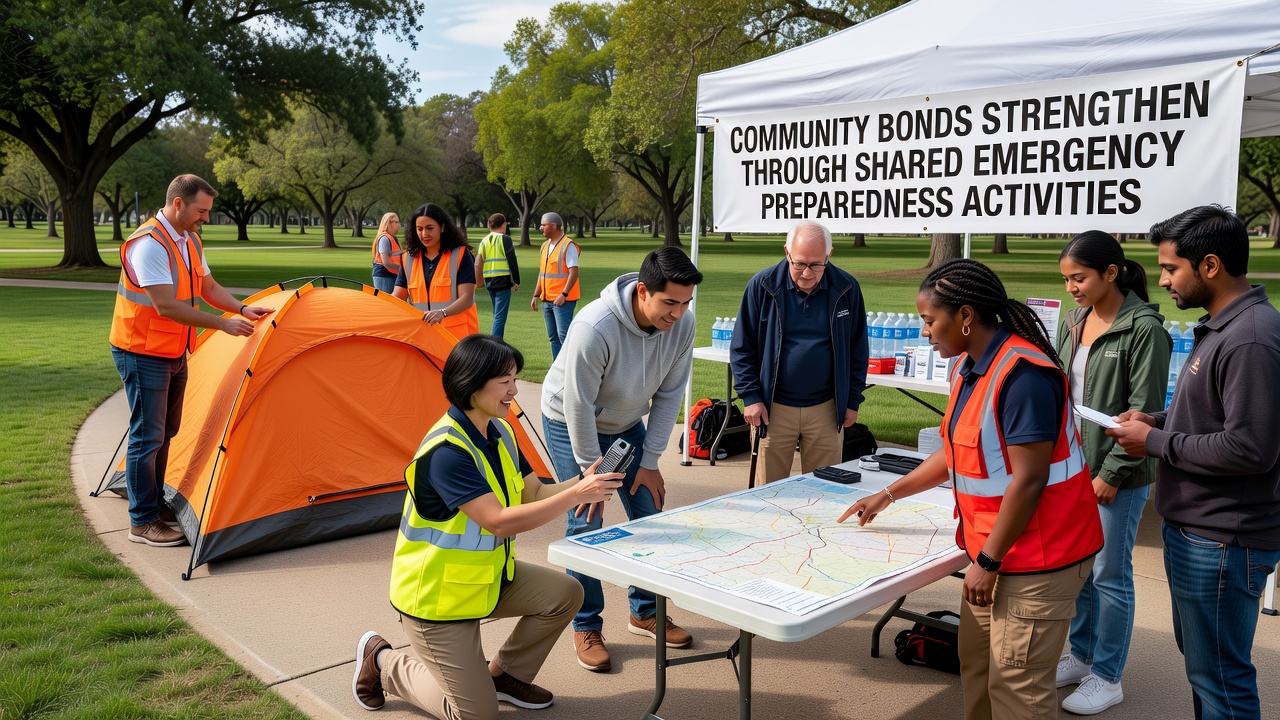
What's interesting is how the same gatherings that teach evacuation routes also surface local knowledge about hidden access points or recurring flood zones that official maps sometimes miss. One study from a western university tracked three years of drill outcomes and found that communities incorporating resident input revised their official plans more frequently and achieved faster response times in subsequent real incidents.
Documented Social and Practical Outcomes
Academic analyses consistently link repeated joint activities to higher levels of reported social cohesion, measured through surveys on trust and willingness to assist during crises. In several documented cases, neighborhoods that began with basic first-aid classes progressed to organizing annual fairs that combine education booths with family activities, drawing in residents who initially attended only for the social aspect. Those who've studied these patterns observe that the informal conversations during setup and cleanup phases often reveal skills or equipment that individuals can contribute, such as generators or medical training, which then get catalogued for future use.
Figures from industry reports on disaster resilience show that areas with established preparedness networks experience lower rates of isolated incidents because neighbors check on one another proactively. The process creates feedback loops where successful drills encourage broader involvement, while challenges identified during exercises prompt targeted follow-up sessions that keep momentum going without requiring constant external facilitation.
Conclusion
Shared emergency preparedness activities continue to serve as practical mechanisms for strengthening local connections while addressing safety needs, with evidence accumulating from multiple countries that consistent participation correlates with both improved response capabilities and expanded social networks. Programs scheduled through late 2026 and beyond build on these foundations by integrating technology and inclusive outreach, ensuring the benefits reach wider segments of each community.