Rafael Lehmann · 11 November 2026
New Public Health Facility Strengthens Support Networks for Area Households
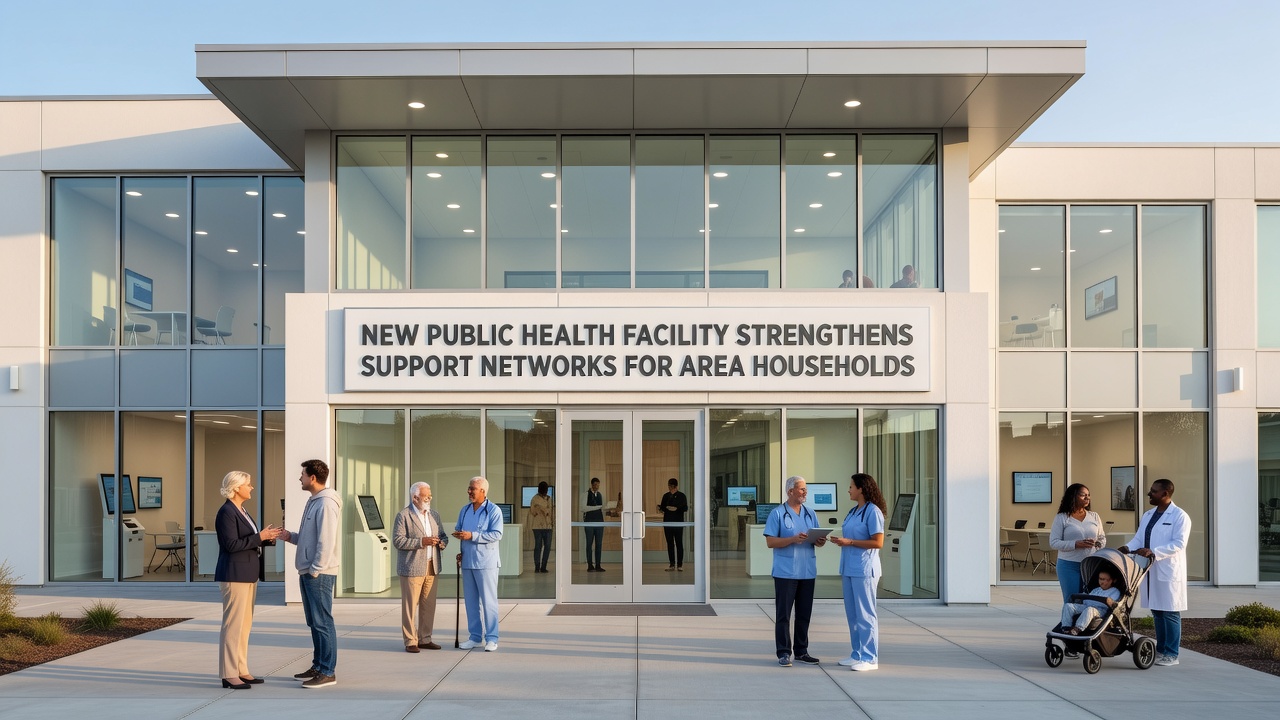
Construction wrapped up on the new public health facility last month, and operations began rolling out in early November 2026 with a focus on expanding household-level support systems throughout the region. Officials report that the center integrates medical services, counseling resources, and community coordination under one roof to address gaps that previously left many families navigating separate agencies for basic needs. Data from similar setups in other districts shows reduced emergency visits when such integrated access points exist, and local administrators expect comparable results here once full staffing stabilizes by mid-December.
Facility Design and Core Services
Architects incorporated flexible spaces that allow multiple programs to run simultaneously, including exam rooms, group meeting areas, and a dedicated family resource desk where households can connect with case managers. Staff members handle everything from routine screenings to referrals for housing assistance, while on-site childcare during appointments removes one common barrier for parents seeking care. Researchers at the University of Melbourne have documented how physical co-location of services cuts administrative time by up to 30 percent in comparable facilities, and planners here incorporated those findings into the layout.
Weekly workshops cover topics such as nutrition planning, stress management, and navigating insurance paperwork, with sessions scheduled around work shifts to improve attendance. Partnerships with nearby schools let the facility offer after-hours vaccination clinics and developmental screening events that feed directly into household support plans.
Building Stronger Household Connections
Case coordination teams now link families with existing neighborhood groups, creating pathways for ongoing peer support after initial visits end. One program pairs new parents with experienced volunteers who provide monthly check-ins, while another tracks chronic condition management through shared digital tools that keep primary care providers updated without extra office trips. Figures released by the Australian Institute of Health and Welfare indicate that communities using similar linkage models see measurable drops in isolation-related health complaints within the first year of operation.

Community health workers stationed at the center conduct regular outreach at markets and apartment complexes, identifying households that might otherwise remain disconnected from services. These workers maintain updated directories of local food banks, transportation options, and mental health hotlines, then follow up within 48 hours to confirm connections were made. Observers note that this proactive approach mirrors successful pilots in Canadian provinces where follow-through rates climbed once dedicated navigators were introduced.
Data and Early Outcomes
Initial intake numbers from the first three weeks of November 2026 already exceed projections by 15 percent, with the largest share of visits involving multi-generational households seeking coordinated care for both children and older adults. Electronic records allow staff to spot patterns across families, such as recurring transportation issues or gaps in preventive screenings, and adjust programming accordingly. According to Centers for Disease Control and Prevention tracking systems used by the facility, early indicators point to improved follow-up completion rates compared with the prior decentralized model.
Training sessions for staff emphasize cultural competency and trauma-informed practices so that interactions build trust rather than repeat past negative experiences with institutions. Regular feedback loops through anonymous surveys help refine offerings, and planners have already added evening hours based on the first round of responses.
Conclusion
The facility continues to refine its model while collecting baseline metrics that will allow later comparisons with neighboring districts. Ongoing collaboration with regional agencies ensures that support networks remain adaptable as household needs shift over time, and administrators plan to release the first full impact report in spring 2027.