Elena Neumann · 25 November 2026
Public Murals Showcase Rising Academic Performance as Local Families Reclaim Communal Gathering Spots
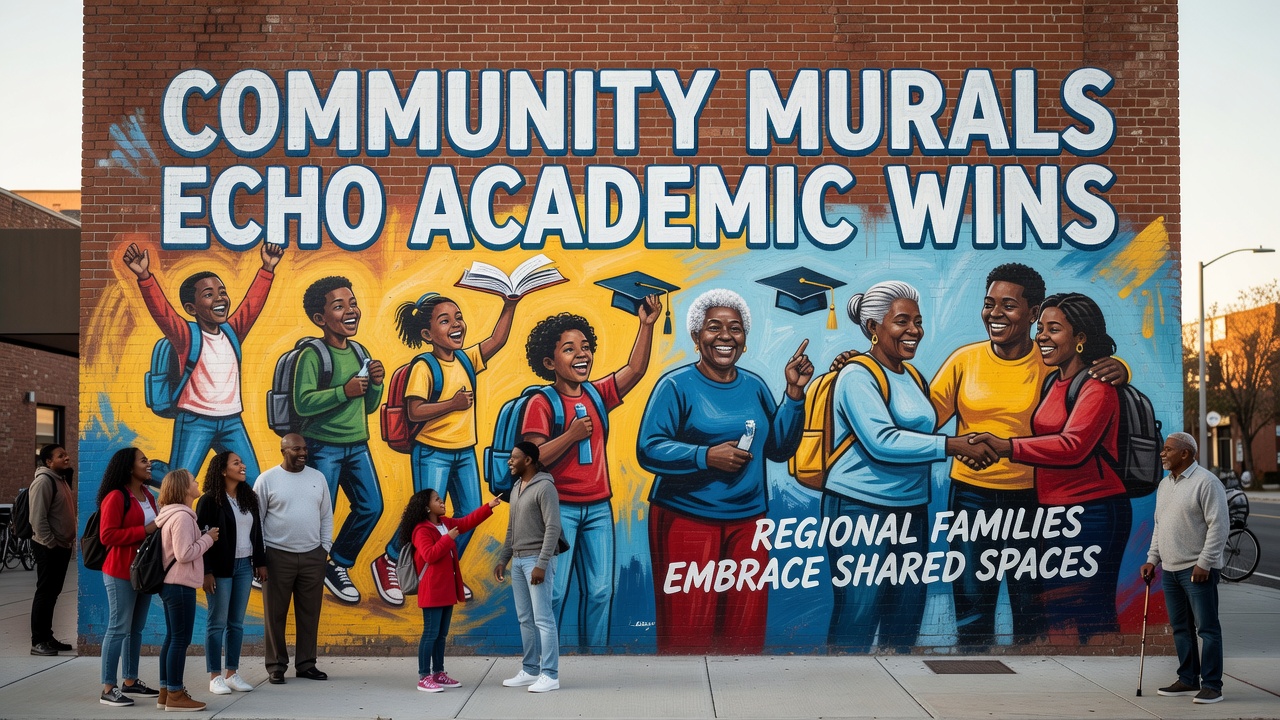
Regional communities have seen a surge in collaborative mural projects that directly reference recent gains in local school performance, and these installations coincide with increased family use of parks, plazas, and other shared outdoor areas during late 2026. Data collected through municipal recreation departments show participation in public-space events climbed steadily through October and November, with November 2026 marking the highest monthly attendance figures recorded in five years according to aggregated park-usage logs.
Academic Metrics Driving Artistic Themes
School districts across the area reported improved standardized test scores and higher graduation rates in the 2025-2026 academic year, prompting artists and students to incorporate those milestones into large-scale wall paintings. One high school documented a 12 percent rise in mathematics proficiency, and that figure now appears in stylized graphs painted along a downtown pedestrian corridor. Researchers at state universities have tracked similar patterns in other regions where public art incorporates measurable educational outcomes, noting that such visibility can reinforce community awareness of progress without requiring additional promotional campaigns.
Local arts councils coordinated with parent-teacher organizations to select themes, ensuring each mural segment aligns with specific achievements such as increased enrollment in advanced placement courses or expanded dual-language programs. These partnerships produced more than a dozen completed works by mid-November 2026, each featuring student-submitted imagery alongside official performance indicators released by district offices.
Shared Spaces See Renewed Family Activity
While mural painting sessions took place, nearby parks and community centers recorded parallel increases in family visits. Recreation logs indicate that weekend attendance at three central plazas rose 28 percent compared with the same period in 2025, with families citing the presence of ongoing art projects as one factor encouraging repeat outings. Evening lighting installed around several new murals extended usable hours, allowing parents and children to gather after typical school and work schedules.
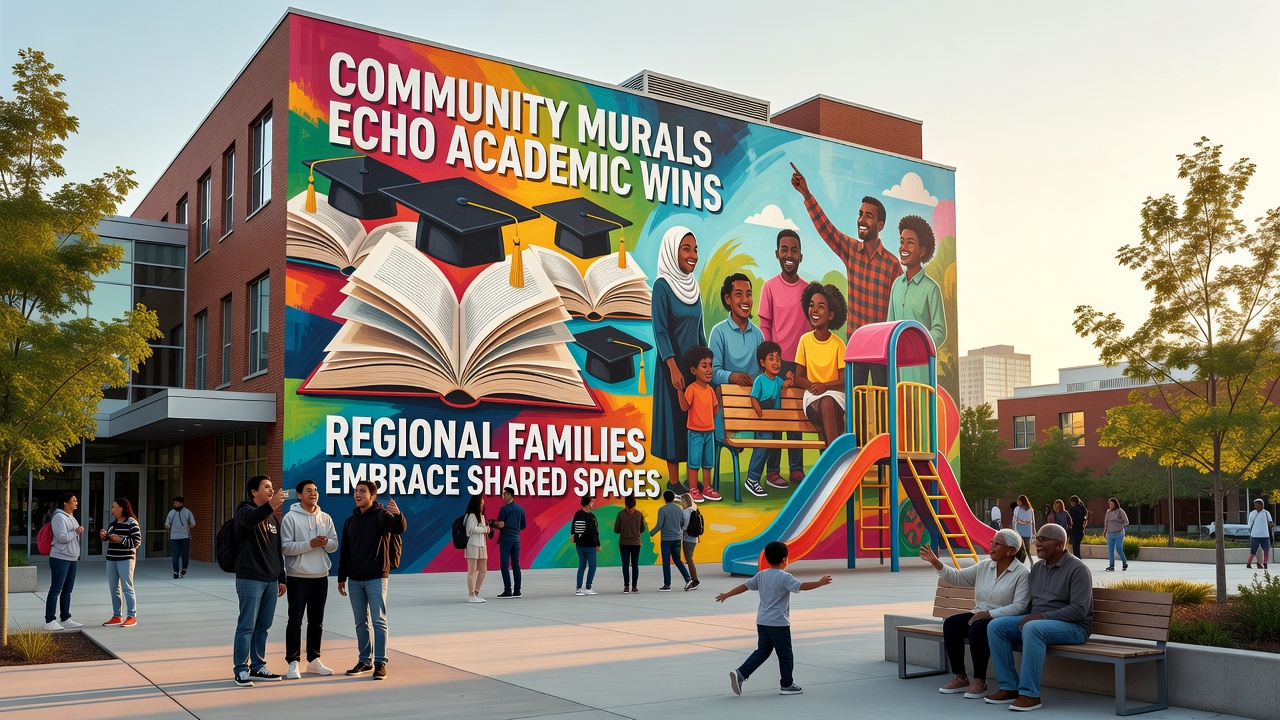
Observers from regional planning offices noted that these spaces now host informal study groups and after-school reading circles, activities that previously occurred mainly inside school buildings. A report issued by the National Endowment for the Arts highlights comparable shifts in mid-sized communities where integrated art and education themes correlated with higher foot traffic in public areas.
Coordination Between Schools and Municipal Departments
City planners and school administrators established joint working groups in early 2026 to align mural locations with existing family-friendly infrastructure such as playgrounds and shaded seating. These groups reviewed traffic counts, safety audits, and accessibility requirements before approving sites, resulting in installations that avoid obstructing pathways while remaining visible from main walkways. November 2026 saw the final approvals for three additional locations, each tied to upcoming winter academic showcases.
Maintenance schedules developed by public works crews now include quarterly inspections of mural surfaces, and volunteer rosters maintained by neighborhood associations provide ongoing touch-up support. This approach has kept earlier installations in good condition through seasonal weather changes, according to maintenance reports filed with city councils.
Broader Patterns Observed in Comparable Regions
Studies compiled by international cultural agencies, including research from Canadian Heritage, document similar connections between educational visibility projects and increased community space usage in mid-sized cities. Those findings emphasize the role of sustained local partnerships rather than one-time funding, a model mirrored in the current regional efforts. Data sets released in 2026 further indicate that communities maintaining active mural programs alongside school metrics experience steadier year-round engagement compared with areas lacking such coordination.
Conclusion
Regional families continue to gather in spaces where murals translate academic data into visual form, and municipal records through November 2026 confirm sustained participation levels. Ongoing coordination between educators, artists, and public-works teams supports both the preservation of these installations and the continued availability of shared areas for daily use. Additional sites remain under review for the following calendar year.